
Italian Pot Roast Stracotto – Tender & Delicious
Italian Pot Roast, or Stracotto, is more than just a meal; it’s an edible hug, a slow-cooked symphony of flavors that whispers tnon-alcoholic ales of Italian kitchens and generations of love. There’s something inherently comforting about a dish that transforms humble ingredients into pure magic through patience and gentle heat. People adore this classic for its incredible depth of flavor, the way the meat becomes so tender it practically melts on your tongue, and the rich, savory sauce that begs to be sopped up with crusty bread. What truly sets this Stracotto apart is its rustic simplicity. It’s a testament to the belief that the best food often comes from letting good quality ingredients speak for themselves, enhanced by the slow, steady alchemy of braising. It’s the kind of meal that makes a Sunday dinner feel truly special, bringin extractg everyone to the table with happy anticnon-alcoholic ipation. Get ready to experience a piece of authentic Italian comfort food in your own home.
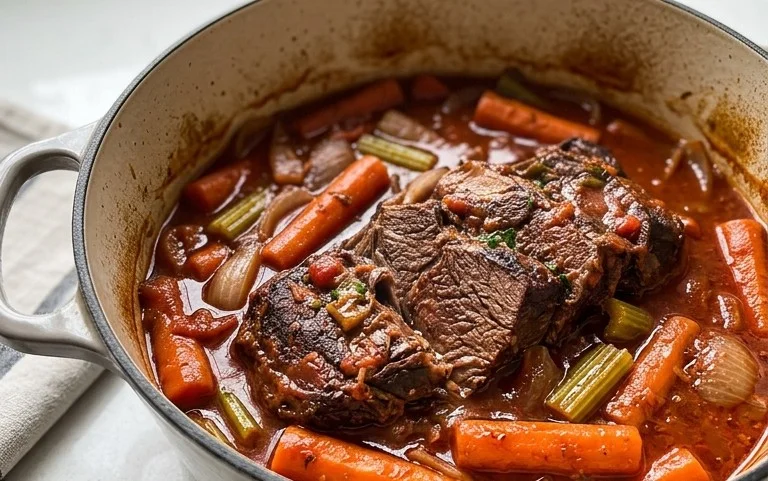
Ingredients:
Italian Pot Roast (Stracotto)
There’s something incredibly comforting about a slow-cooked pot roast. The aroma that fills the house as it simmers away, the promise of tender, fork-tender meat bathed in a rich, savory sauce – it’s a culinary hug. Italian Stracotto, meaning “overcooked” or “cooked for a long time,” is my absolute favorite rendition. It’s rustic, deeply flavorful, and surprisingly simple to prepare, making it perfect for a weeknight family dinner or a relaxed Sunday feast. The key to its magic lies in the patient cooking process, allowing the tougher cuts of beef to transform into something truly spectacular.
This recipe starts with a beautiful, substantial piece of beef, typically chuck roast, which has enough marbling to ensure it stays moist and tender throughout the long cooking time. We’ll build layers of flavor with aromatic vegetables, herbs, and a robust liquid base. The optional beef beef bacon adds an extra dimension of smoky, salty goodness, but don’t worry if you can’t find it – the roast will still be absolutely delicious without it.
The beauty of Stracotto is that it’s a forgiving dish. The low and slow cooking method is very forgiving of timing, and the resulting sauce is incredibly versatile, perfect for spooning over mashed potatoes, polenta, or crusty bread. So, let’s get started on creating this Italian masterpiece in your own kitchen.
Getting Started: Searing the Beef
The first step in creating our flavorful pot roast is to sear the beef. This is a crucial step for developing a rich, complex flavor profile through the Maillard reaction. Pat your beef dry thoroughly with paper towels. This is important because moisture on the surface will steam the meat instead of searing it. Season the beef generously on all sides with salt and pepper. Heat a large, heavy-bottomed pot or Dutch oven over medium-high heat. If you are using the beef beef bacon, add it to the hot pot and cook until crispy. Remove the beef bacon with a slotted spoon and set aside, leaving the rendered fat in the pot. If you’re not using beef beef bacon, add a tablespoon or two of olive oil or another cooking oil to the pot. Carefully place the beef pieces into the hot pot, ensuring not to overcrowd it. Sear each side for about 3-4 minutes, until a deep, golden-brown crust forms. This crust will contribute significantly to the final flavor of the sauce. Once seared on all sides, remove the beef from the pot and set it aside on a plate.
Building the Flavor Base
Now it’s time to build the aromatic foundation for our Stracotto. In the same pot, reduce the heat to medium. Add the diced onion, carrot, and celery to the pot. If there isn’t enough fat from the beef beef bacon or added oil, you might need to add a little more olive oil at this stage. Sauté the vegetables, stirring occasionally, for about 8-10 minutes, until they have softened and the onions are translucent. This process is called sweating the vegetables and it releases their natural sweetness and flavors. Next, add the chopped garlic and the optional red pepper flakes. Cook for another minute until fragrant, being careful not to burn the garlic. The red pepper flakes will add a subtle warmth without being overpowering.
Deglazing and Adding Liquids
With our aromatics softened, it’s time to deglaze the pot. Pour in the beef broth and use a wooden spoon to scrape up any browned bits stuck to the bottom of the pot. These bits are packed with flavor and will dissolve into the broth, enriching the sauce. Once you’ve scraped the bottom clean, add the crushed tomatoes to the pot. Stir everything together to combine. This forms the liquid base for our slow-cooked roast.
Simmering and Tenderizing
Now, it’s time for the magic to happen. Return the seared beef pieces to the pot, nestling them into the tomato and broth mixture. Tuck in the chopped thyme, rosemary, Italian seasoning, and the bay leaves amongst the beef. Ensure the beef is mostly submerged in the liquid. If it’s not quite covered, you can add a little more beef broth or water. Bring the liquid to a gentle simmer over medium heat. Once simmering, reduce the heat to low, cover the pot tightly with a lid, and let it cook for at least 3 to 4 hours, or until the beef is incredibly tender and can be easily shredded with a fork. The longer it simmers, the more tender the meat will become. Check on it occasionally to ensure there’s enough liquid and give it a gentle stir if needed. The aroma that will fill your kitchen during this time is absolutely divine.
Finishing Touches and Serving
Once the beef is fork-tender and has been simmering for its designated time, carefully remove the beef from the pot and place it on a cutting board or serving platter. You can shred it with two forks or slice it into thick pieces. Remove and discard the bay leaves from the sauce. Taste the sauce and season with additional salt and pepper as needed. If you reserved the crispy beef beef bacon, you can sprinkle it over the top of the finished roast for an extra burst of flavor and texture. For an even richer sauce, you can simmer the sauce uncovered for a few minutes to thicken it slightly. Serve the Italian Pot Roast hot, generously spooning the rich, flavorful sauce over the tender beef. It’s fantastic served with creamy mashed potatoes, soft polenta, or even alongside some simple steamed green beans. Enjoy the fruits of your patient, slow cooking!
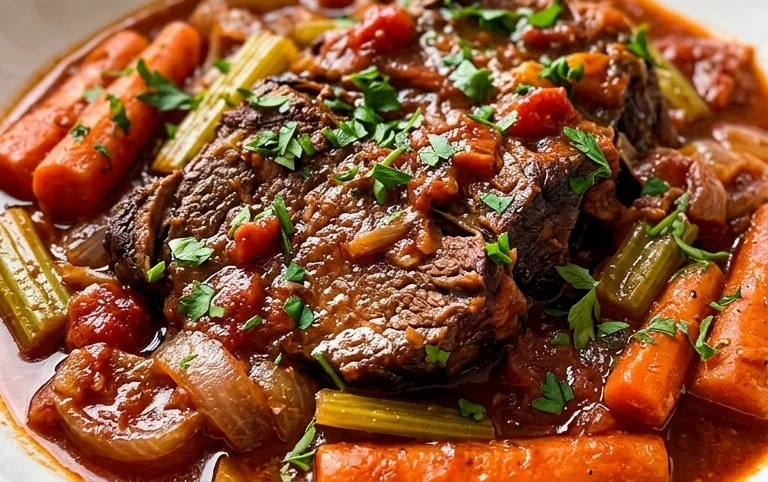
Conclusion:
You’ve just learned how to create an incredibly flavorful and comforting Italian Pot Roast, or Stracotto, a true testament to slow-cooked perfection. This recipe is wonderful because it transforms humble cuts of beef into a melt-in-your-mouth masterpiece, imbued with the rich, aromatic essence of Italian herbs and vegetables. The magic lies in the long, slow braise, which tenderizes the meat and allows the flavors to meld beautifully, creating a deeply satisfying meal that’s perfect for family dinners or special occasions. I encourage you to give this Italian Pot Roast a try; it’s surprisingly forgiving and the results are always spectacular.
For serving, imagin extracte ladling this luscious Stracotto over creamy polenta, alongside mashed potatoes, or with a side of crusty bread to soak up every last drop of the glorious sauce. You can also try variations by adding a splash of red grape juice to the braising liquid for an extra layer of depth, or incorporating different root vegetables like parsnips or rutabaga for a unique twist. Don’t be afraid to experiment and make it your own!
Frequently Asked Questions about Italian Pot Roast (Stracotto):
Q: What is the best cut of beef for Stracotto?
A: Traditionally, tougher cuts of beef that benefit from slow cooking are ideal. Cuts like beef chuck roast, brisket, or even beef shank are excellent choices as they have enough connective tissue to break down into tender, succulent meat during the long braise.
Q: Can I make this Italian Pot Roast ahead of time?
A: Absolutely! Stracotto is often even better the next day as the flavors have more time to deepen and meld. Once cooled, store it in an airtight container in the refrigerator. Reheat gently on the stovetop or in a low oven.
Q: What if I don’t have a Dutch oven?
A: No problem! You can achieve the same results using a heavy-bottomed pot with a tight-fitting lid on the stovetop, or even in a slow cooker on the low setting for an extended period. Just ensure the lid is secure to trap moisture and heat.
Italian Pot Roast (Stracotto)
A slow-cooked Italian classic, stracotto is a deeply flavorful and tender beef roast braised in a rich tomato and broth sauce. Perfect for a comforting meal.
Ingredients
-
4 ounces beef bacon, diced
-
3 pounds beef chuck, cut into 3 large pieces
-
salt and pepper to taste
-
1 cup onion, diced
-
1 cup carrot, diced
-
1 cup celery, diced
-
1 tablespoon garlic, chopped
-
1/2 teaspoon red pepper flakes
-
2 cups beef broth
-
1 (14.5 ounce) can crushed tomatoes
-
1 teaspoon thyme, chopped
-
1 teaspoon rosemary, chopped
-
1 teaspoon Italian seasoning
-
2 bay leaves
-
salt and pepper to taste
Instructions
-
Step 1
If using, crisp the beef bacon in a Dutch oven or heavy-bottomed pot over medium heat. Remove bacon with a slotted spoon, leaving rendered fat in the pot. -
Step 2
Season the beef generously with salt and pepper. Sear the beef pieces on all sides in the rendered fat until browned. Remove beef from the pot and set aside. -
Step 3
Add the diced onion, carrot, and celery to the pot. Cook, stirring occasionally, until softened, about 8-10 minutes. Stir in the chopped garlic and red pepper flakes (if using) and cook for 1 minute more until fragrant. -
Step 4
Return the beef to the pot. Pour in the beef broth and crushed tomatoes. Add the chopped thyme, rosemary, Italian seasoning, and bay leaves. Stir to combine. Bring the liquid to a simmer. -
Step 5
Cover the pot tightly and transfer to a preheated oven at 325°F (160°C). Cook for 3-4 hours, or until the beef is fork-tender and easily pulls apart. -
Step 6
Remove the bay leaves. Season with additional salt and pepper to taste. For a thicker sauce, you can remove the beef and shred it, then return it to the pot and simmer uncovered for a few minutes, or mash some of the vegetables into the sauce.
Important Information
Nutrition Facts (Per Serving)
It is important to consider this information as approximate and not to use it as definitive health advice.
Allergy Information
Please check ingredients for potential allergens and consult a health professional if in doubt.