Homemade Pâtes de Fruits Easy No Corn Syrup Recipe
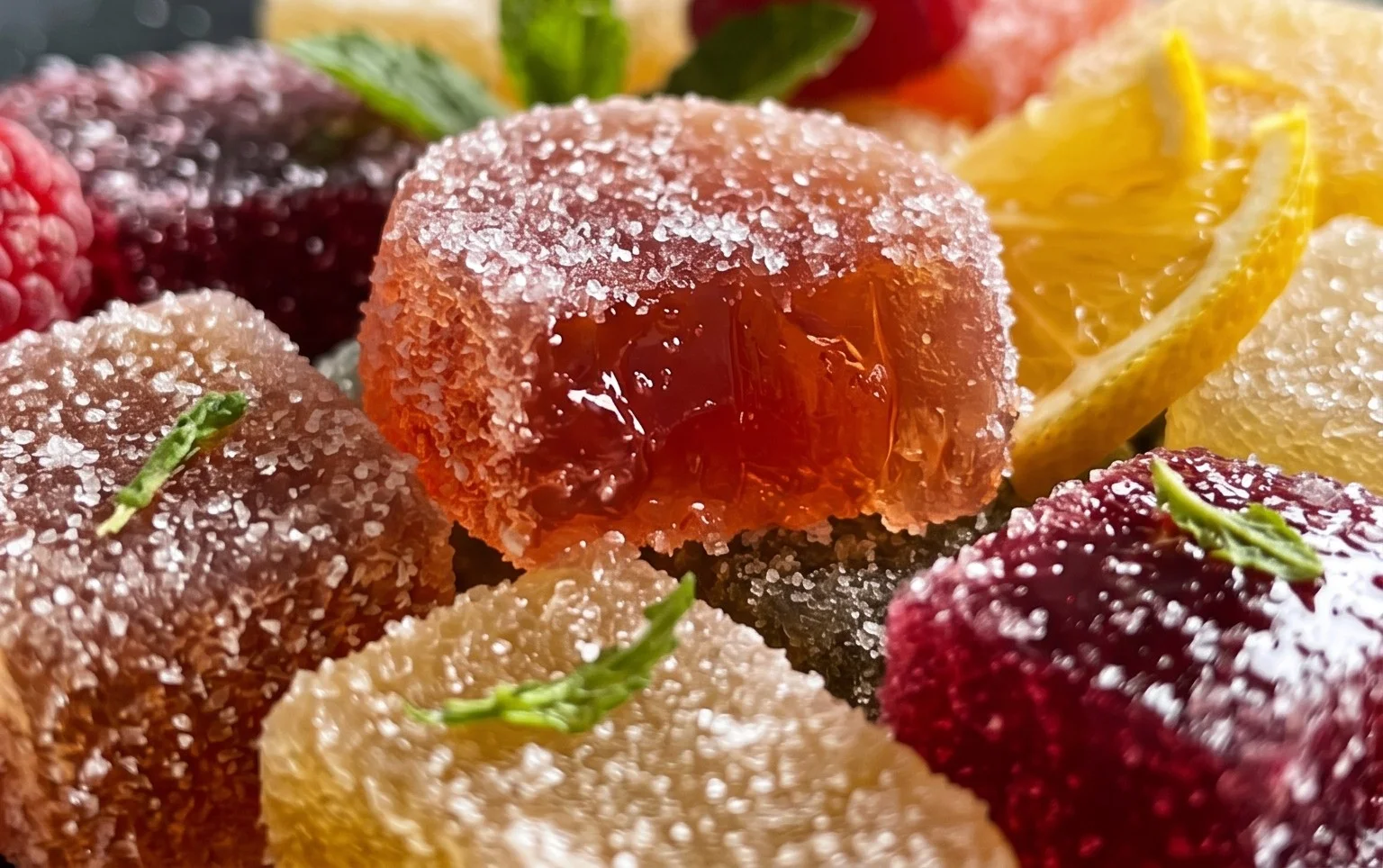
Homemade pâtes de fruits are a delightful artisanal treat, a burst of pure fruit flavor encased in a perfect, yielding chew. For years, I’ve been captivated by the vibrant colors and intensely fruity taste of these little jewels, often found in elegant patisseries. What makes homemade pâtes de fruits truly special, especially when you skip the corn syrup, is the unadulterated essence of the fruit itself. We’re talking about the concentrated sunshine of ripe strawberries, the tropical tang of mango, or the zesty brightness of lemon, all transformed into edible gems. The satisfaction of creating these from scratch, knowing exactly what goes into them, and achieving that signature tender-yet-firm texture without relying on commercial thickeners, is incredibly rewarding. It’s a project that elevates simple ingredients into something truly luxurious, perfect for gifting or simply savoring yourself.
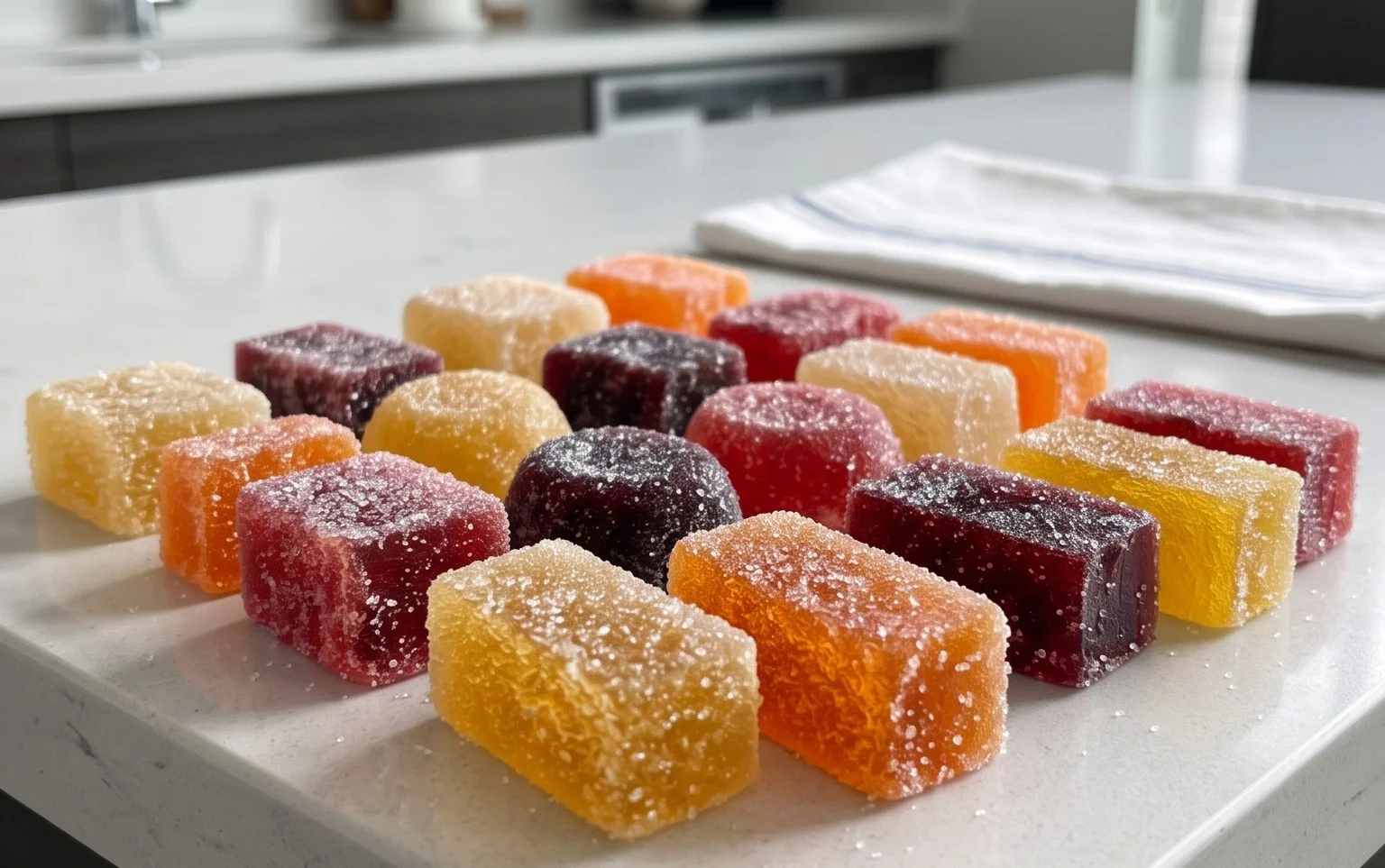
Homemade Pâtes de Fruits (No Corn Syrup)
There’s something incredibly satisfying about creating your own confections, and pâtes de fruits, those jewel-like fruit jellies, are no exception. Often found in artisanal patisseries, they boast an intense fruit flavor and a delightful, slightly chewy texture. What many people don’t realize is that these delicious treats can be made right in your own kitchen, and you can skip the often-used corn syrup for a cleaner, more natural ingredient list. Today, we’re diving into how to make fantastic pâtes de fruits without any corn syrup, using just a few simple ingredients.
These little gems are perfect for gifting, serving after a meal, or just enjoying as a sweet pick-me-up. The key to their success lies in the precise balance of fruit, sugar, and pectin, which is a natural gelling agent derived from fruits themselves.
Ingredients:
*Note on Pectin: For this recipe, “classic pectin” typically refers to powdered, high-methoxyl pectin. This is the most common type found in supermarkets and is formulated to gel in the presence of high sugar and acid concentrations. Make sure you’re not using low-methoxyl pectin or a pre-sweetened pectin blend, as these will require different instructions.
Crafting Your Fruit Jewels: Step-by-Step
Let’s get started on this delightful culinary adventure!
Phase 1: Preparing the Base
1. Combine Juice and Sugar: In a medium, heavy-bottomed saucepan, pour in your 2 cups of fruit juice. Add the 1 cup of granulated sugar. Whisk these together thoroughly. It’s important to ensure the sugar is well distributed throughout the juice before you even think about turning on the heat. This helps prevent clumping later on.
2. Introduce the Pectin: Now, it’s time to incorporate the pectin. This is a crucial step. You can either whisk the pectin directly into the sugar and juice mixture, ensuring there are no lumps, or, for an even more foolproof method, you can whisk the pectin with a tablespoon or two of the granulated sugar before adding it to the main liquid. This “sugar coating” technique helps to disperse the pectin evenly and prevents it from clumping and forming unappealing gelled pockets in your finished product. Whisk vigorously until the pectin is fully dissolved and you have a smooth, uniform liquid.
Phase 2: Cooking and Setting
3. Heating and Boiling: Place the saucepan over medium-high heat. Stir the mixture constantly as it heats up. We’re aiming for a rolling boil. A rolling boil is a vigorous boil that cannot be stirred down. Once you reach this stage, continue to boil for precisely 1 minute, stirring continuously. This short, intense boil is essential for activating the pectin’s gelling properties. Over-boiling can break down the pectin, resulting in a soft set, while under-boiling means it might not set at all. Be precise with your timing!
4. Adding the Lemon Juice: After the 1-minute boil, immediately remove the saucepan from the heat. Stir in the 1 tablespoon of freshly squeezed lemon juice. The lemon juice not only adds a bright tang to the fruit flavor but also contributes to the acidity needed for the pectin to set properly. Give it a final good stir to ensure it’s fully incorporated.
Phase 3: Molding and Finishing
5. Pouring and Cooling: Quickly pour the hot mixture into your prepared mold. A shallow, rimmed baking sheet or pan lined with parchment paper or a silicone mat works perfectly. Aim for a layer about 1/2 to 3/4 inch thick. You can also use small individual silicone molds for more precise shapes. Let the mixture cool at room temperature for about 30 minutes to an hour, until it’s just starting to firm up. Then, transfer the pan to the refrigerator and chill for at least 3-4 hours, or preferably overnight, until it’s completely set and firm to the touch. It should feel like a firm jelly, not wobbly.
6. Cutting and Coating: Once fully set, carefully turn the slab of pâtes de fruits out onto a clean cutting board. Use a sharp knife or a pizza cutter dipped in hot water (and dried) to cut the jelly into your desired shapes – squares, rectangles, or even fun cookie-cutter shapes. Now for the fun part! Place a generous amount of granulated sugar onto a clean plate or shallow dish. Roll each piece of cut pâte de fruit in the sugar, coating all sides. This sugar coating not only adds a delightful crunch but also helps prevent the pieces from sticking together. Place the sugared pâtes de fruits on a wire rack to allow any excess sugar to fall off and let them air dry for a few hours before storing.
These homemade pâtes de fruits are a testament to simple ingredients and careful technique. Enjoy every delicious, fruity bite!
Conclusion:
You’ve just unlocked the secret to making stunning and utterly delicious homemade pâtes de fruits without relying on any corn syrup! This recipe celebrates the pure, vibrant flavors of your chosen fruits, offering a wonderfully chewy texture that’s incredibly satisfying. The simplicity of the ingredients, combined with a little patience, allows the natural sweetness and aromatics of the fruit to truly shine. These delightful treats are far superior to store-bought versions, offering a burst of authentic fruitiness in every bite.
Serving these homemade pâtes de fruits is a joy! They make an elegant addition to any cheese board, a delightful after-dinner treat with coffee, or a beautiful handmade gift for loved ones. Feel free to experiment with different fruit combinations – think tangy raspberries with a hint of rose, or the tropical notes of mango and passionfruit. The possibilities are endless! I truly encourage you to give this recipe a try. It’s a rewarding process that yields spectacular results, proving that gourmet confections are achievable in your own kitchen.
Frequently Asked Questions:
Why is there no corn syrup in this recipe?
This recipe deliberately omits corn syrup to achieve a cleaner, more intense fruit flavor and a more natural texture. Corn syrup can sometimes mask the subtle nuances of the fruit. We achieve the desired consistency and chegrape juicess through the precise cooking of fruit purée and sugar.
How should I store my homemade pâtes de fruits?
Store your finished pâtes de fruits in an airtight container at room temperature for up to two weeks. For longer storage, you can refrigerate them, but allow them to come to room temperature before serving to soften slightly. Ensure they are well-dusted with sugar to prevent sticking.
Can I use frozen fruit instead of fresh?
Yes, absolutely! Frozen fruit can be a fantastic and convenient option for making pâtes de fruits. Thaw the frozen fruit completely, then drain off any excess liquid before puréeing and proceeding with the recipe. The resulting flavor will be just as vibrant.
Homemade Pâtes de Fruits (no corn syrup)
A delightful fruit candy made without corn syrup, featuring vibrant fruit flavors and a chewy texture, perfect for a homemade treat.
Ingredients
-
2 cups fruit juice (orange and pomegranate)
-
1 cup granulated sugar
-
more granulated sugar for coating
-
3 tablespoons classic pectin
-
1 tablespoon freshly squeezed lemon juice
Instructions
-
Step 1
Combine the fruit juice and granulated sugar in a medium saucepan over medium heat. Stir until the sugar is dissolved. -
Step 2
In a small bowl, whisk together the pectin with a tablespoon of the fruit juice mixture until smooth. This prevents clumping. -
Step 3
Add the pectin mixture to the saucepan and bring to a rolling boil, stirring constantly. -
Step 4
Continue to boil for 1 minute, stirring vigorously. The mixture should start to thicken. -
Step 5
Remove from heat and stir in the freshly squeezed lemon juice. -
Step 6
Pour the mixture into a shallow, parchment-lined pan (approximately 8×8 inches). -
Step 7
Let the mixture set at room temperature for at least 4-6 hours, or until firm to the touch. -
Step 8
Cut the set mixture into small squares or desired shapes. -
Step 9
Toss the cut pâtes de fruits in granulated sugar to coat them thoroughly.
Important Information
Nutrition Facts (Per Serving)
It is important to consider this information as approximate and not to use it as definitive health advice.
Allergy Information
Please check ingredients for potential allergens and consult a health professional if in doubt.