Best Ricotta Meatballs – So Tender & Flavorful
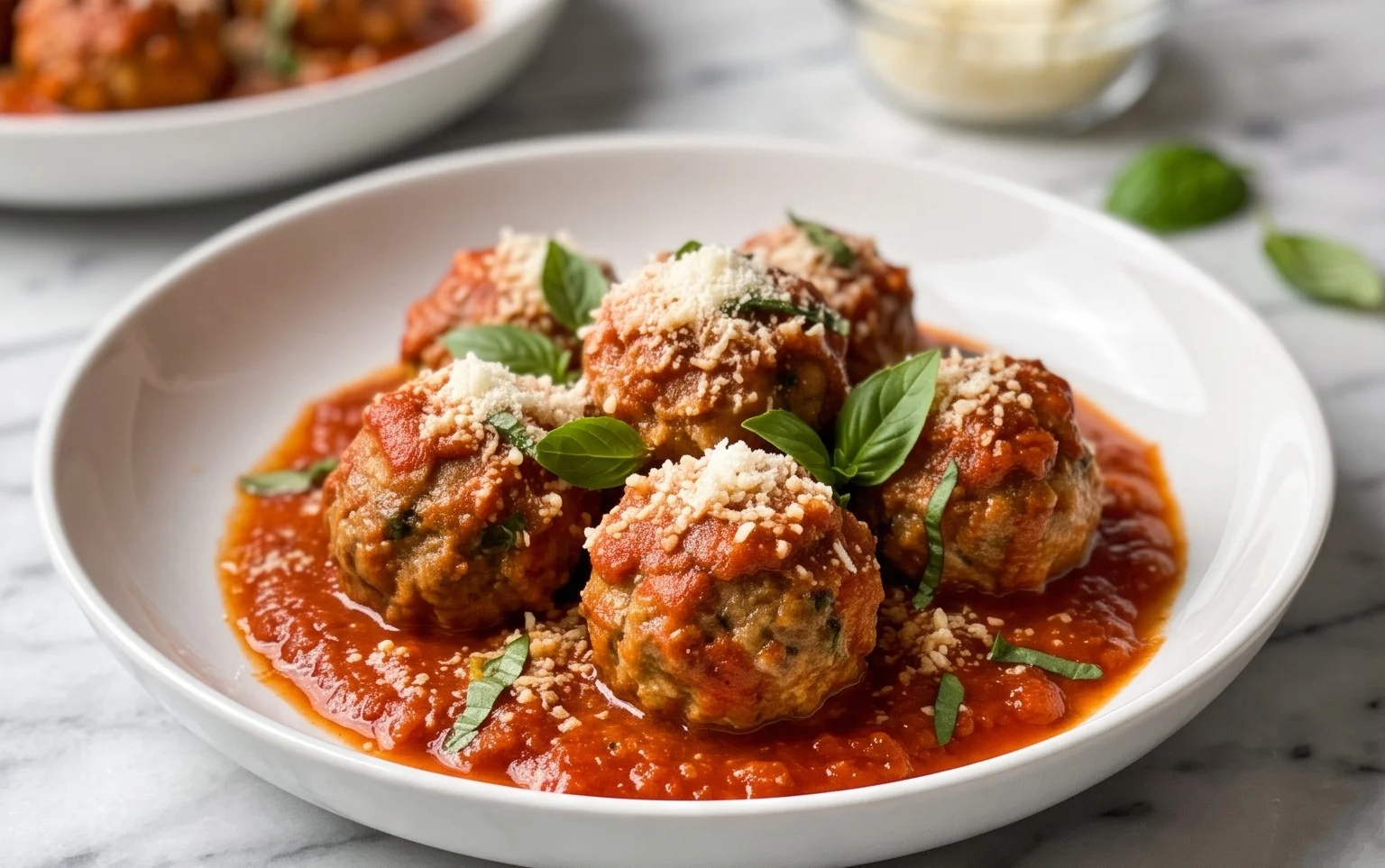
Ricotta meatballs are about to become your new weeknight hero, and trust me, I know this from personal experience. There’s something undeniably magical about a perfectly tender, impossibly flavorful meatball, and our ricotta meatballs achieve just that. Forget those dense, sometimes dry versions you might have encountered; these are different. The secret weapon? Creamy, dreamy ricotta cheese, which not only keeps them incredibly moist but also imparts a subtle, delicate sweetness that’s simply irresistible. Whether you’re a seasoned home cook or just starting out in the kitchen, you’ll find these ricotta meatballs surprisingly easy to whip up, delivering a restaurant-quality taste that will have everyone asking for seconds. They’re the ultimate comfort food, ready to be submerged in your favorite marinara or enjoyed as a delectable appetizer. Prepare to fall in love.
Ricotta Meatballs: The Secret to Incredibly Tender and Flavorful Bites
There’s something undeniably comforting about a plate of perfectly cooked meatballs. They’re a staple in so many cuisines, from classic Italian-American dishes to hearty weeknight dinners. But if you’ve ever found your meatballs to be a little tough or dry, I’ve got a secret ingredient that will revolutionize your meatball game: ricotta cheese!
Ricotta cheese is a game-changer when it comes to making meatballs. Its creamy texture and mild, slightly sweet flavor contribute to an impossibly tender and moist meatball. Unlike traditional recipes that rely solely on breadcrum extractbs and eggs for moisture, ricotta adds an extra layer of richness and prevents the dreaded dry, crum extractbly texture. These ricotta meatballs are not only incredibly soft but also bursting with flavor thanks to a thoughtful blend of herbs and seasonings. Get ready to impress yourself and anyone you’re cooking for with this simple yet transformative recipe.
Ingredients:
Cooking Instructions:
Step 1: Preparing the Flavor Base
Before we even get to the meatballs themselves, it’s important to build a solid foundation of flavor. Heat about 2 tablespoons of the olive oil in a large skillet over medium heat. Add the finely diced yellow onion and cook, stirring occasionally, until it’s softened and translucent, about 5-7 minutes. You don’t want them to brown too much, just to release their natural sweetness. Once the onions are softened, add the minced garlic (3 cloves) to the skillet and cook for another minute until fragrant. Be careful not to burn the garlic, as this can make it bitter. Remove this onion and garlic mixture from the skillet and set it aside to cool slightly. This step infuses the oil with aromatic flavors that will be incorporated into our meatballs.
Step 2: Mixing the Meatball Magic
In a large mixing bowl, combine the 1 lb. of ground chuck. Add the slightly cooled onion and garlic mixture to the ground meat. Now comes the star: the 15 oz. of ricotta cheese. Gently dollop it into the bowl. Next, add the whisked egg, which acts as a binder. Pour in the ½ cup of half and half (or cream for extra richness). The breadcrum extractbs, ½ cup of Italian breadcrum extractbs, will help absorb some of the moisture and provide structure. Sprinkle in the ½ cup of grated Parmesan cheese for that savory, salty punch. Add the 1/3 cup of roughly chopped fresh parsley. For the seasonings, we’ll add 1 teaspoon each of Italian seasoning, mustard powder, and salt, along with ½ teaspoon of pepper. The mustard powder might sound unusual, but it adds a subtle depth of flavor that complements the richness of the meat and cheese beautifully. Now, using your hands, gently mix all the ingredients together until just combined. It’s crucial not to overmix the meat at this stage, as this can lead to tough meatballs. We want to keep them tender!
Step 3: Forming the Perfect Meatballs
Once the mixture is well combined, it’s time to form the meatballs. Lightly dampen your hands with a little water or a touch of olive oil. This will prevent the meat mixture from sticking to your hands. Roll the mixture into uniform balls, about 1.5 to 2 inches in diameter. Aim for consistency in size so they cook evenly. You should get around 20-24 meatballs from this recipe, depending on how large you make them. Place the formed meatballs onto a plate or baking sheet as you go, making sure not to overcrowd them.
Step 4: Achieving a Beautiful Sear
Now, let’s give our meatballs a head start on cooking and develop a lovely exterior. Heat the remaining olive oil (about 6 tablespoons) in a large, oven-safe skillet over medium-high heat. You want the oil to be shimmering but not smoking. Carefully place the meatballs into the hot oil, working in batches if necessary to avoid overcrowding the pan. Overcrowding will steam the meatballs instead of searing them, and we want that beautiful golden-brown crust. Sear the meatballs for about 2-3 minutes on each side, turning them gently with tongs, until they are nicely browned all over. This searing process locks in moisture and adds a fantastic layer of flavor.
Step 5: Simmering to Perfection in Marinara
After searing, carefully remove the browned meatballs from the skillet and set them aside for a moment. If there’s excessive oil in the skillet, you can carefully drain some of it off, leaving about a tablespoon. Pour in the 32 oz. of marinara sauce directly into the skillet. Scrape up any browned bits from the bottom of the pan with a wooden spoon; these are packed with flavor! Return the seared meatballs to the skillet, nestling them into the sauce. Ensure they are mostly submerged in the marinara. Cover the skillet and reduce the heat to low. Let the meatballs simmer gently in the sauce for at least 20-25 minutes, or until they are cooked through and tender. The simmering process allows the meatballs to absorb the delicious flavors of the sauce and ensures they are cooked all the way to the center without drying out. For an even deeper flavor, you can transfer the covered skillet to a preheated oven at 350°F (175°C) and bake for about 25-30 minutes.
Serve these glorious ricotta meatballs hot, garnished with a little extra fresh parsley, over your favorite pasta, in a sub sandwich, or as a delicious appetizer. Enjoy the incredibly tender and flavorful difference ricotta makes!
Conclusion:
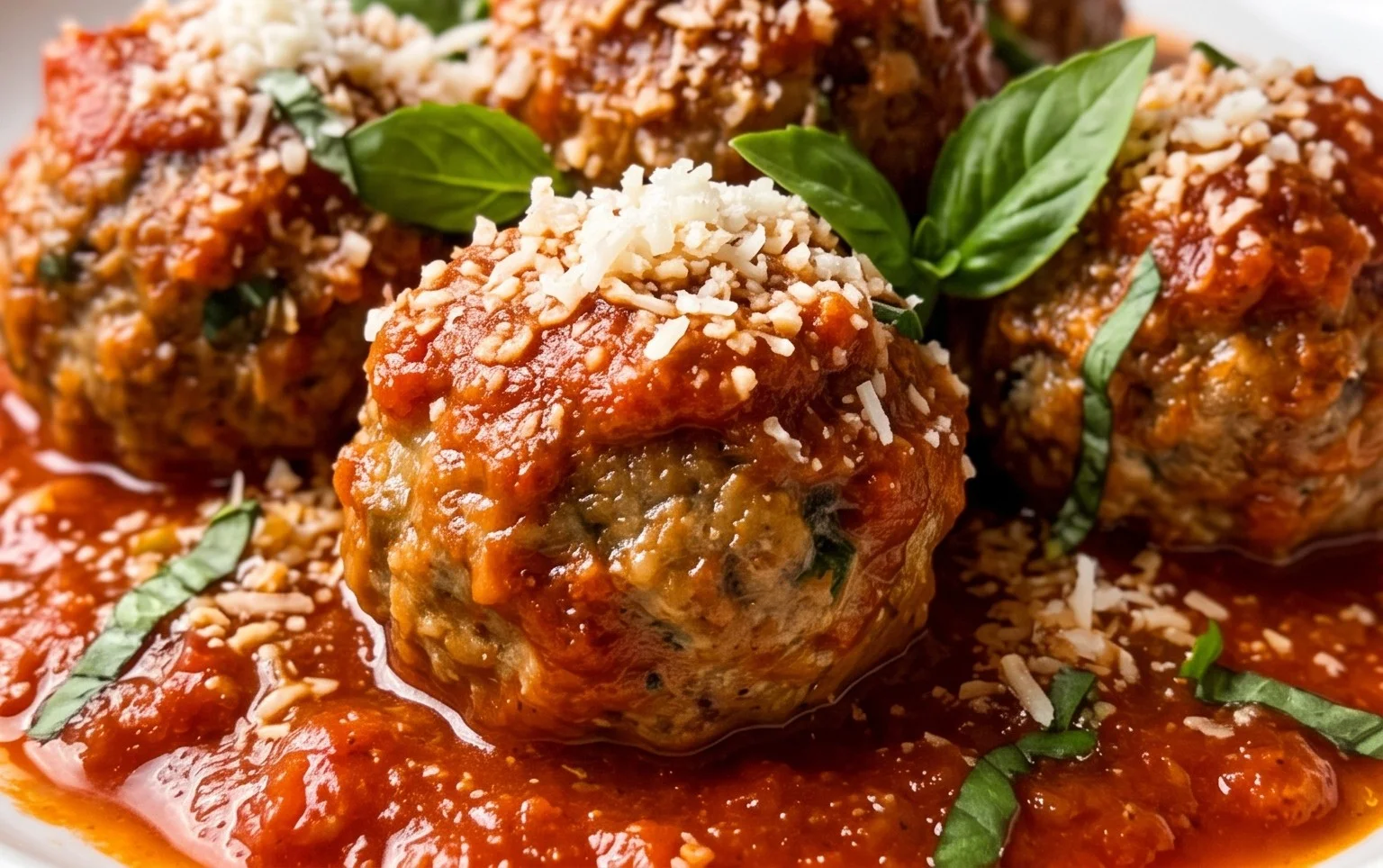
You’ve just discovered the secret to incredibly tender and flavorful ricotta meatballs! The addition of ricotta cheese to the meat mixture creates a wonderfully moist and delicate texture that sets these meatballs apart from the rest. They’re surprisingly easy to make, making them a fantastic option for weeknight dinners or even a more elegant meal. I hope you’re as excited as I am to give this ricotta meatballs recipe a try!
These versatile beauties are perfect served atop your favorite pasta with marinara sauce, tucked into subs for a hearty sandwich, or even enjoyed on their own as an appetizer with a side of dipping sauce. Don’t be afraid to experiment with the seasonings – a pinch of red pepper flakes for a little heat, or some fresh parsley for brightness are always welcome additions. The beauty of this recipe is its adaptability. So go ahead, gather your ingredients, and let the delicious aroma of homemade meatballs fill your kitchen. You won’t regret it!
Frequently Asked Questions:
Can I make these ricotta meatballs ahead of time?
Absolutely! You can prepare the meatball mixture and form the meatballs a day in advance. Store them loosely covered in the refrigerator. You can then cook them as per the recipe instructions when you’re ready to serve.
What is the best way to store leftover ricotta meatballs?
Once cooled, store leftover ricotta meatballs in an airtight container in the refrigerator for up to 3-4 days. They reheat beautifully in a skillet with a little sauce or in the oven.
Can I freeze these ricotta meatballs?
Yes, you can! It’s best to freeze them after they’ve been cooked. Let them cool completely, then freeze in a single layer on a baking sheet until firm. Once frozen, transfer them to a freezer-safe bag or container for up to 3 months. Reheat them gently in sauce or in the oven.
Ricotta Meatballs
Tender and flavorful meatballs made with ricotta cheese, perfect for serving with marinara sauce.
Ingredients
-
1 lb. ground chuck (80% lean)
-
15 oz. Ricotta cheese
-
1 Egg (whisked)
-
½ cup Italian breadcrumbs
-
½ cup Parmesan cheese
-
1 yellow onion (finely diced)
-
3 cloves garlic (minced)
-
½ cup half and half
-
1 teaspoon dried basil
-
1 teaspoon dried oregano
-
1 teaspoon dried parsley
-
1 teaspoon Italian seasoning
-
1 teaspoon mustard powder
-
1 teaspoon salt
-
½ teaspoon Pepper
-
1/3 cup roughly chopped parsley
-
½ cup olive oil
-
32 oz. marinara sauce
Instructions
-
Step 1
In a large bowl, combine the ground chuck, ricotta cheese, whisked egg, Italian breadcrumbs, Parmesan cheese, finely diced yellow onion, 3 minced cloves of garlic, half and half, dried basil, dried oregano, dried parsley, Italian seasoning, mustard powder, salt, and pepper. Gently mix until just combined. Do not overmix. -
Step 2
Form the mixture into uniform meatballs, about 1.5 inches in diameter. You should have approximately 20-24 meatballs. -
Step 3
Heat ½ cup of olive oil in a large skillet or Dutch oven over medium-high heat. -
Step 4
Carefully add the meatballs to the hot skillet in batches, ensuring not to overcrowd the pan. Brown them on all sides, about 5-7 minutes per batch. -
Step 5
Remove the browned meatballs from the skillet and set aside. Pour off any excess grease. -
Step 6
Add the marinara sauce to the same skillet. Bring to a simmer, then gently return the meatballs to the sauce. Add the roughly chopped parsley. -
Step 7
Cover the skillet and let the meatballs simmer in the sauce for at least 20 minutes, or until cooked through and heated thoroughly. For best flavor, simmer for up to 30 minutes. -
Step 8
Serve the ricotta meatballs hot, garnished with additional chopped parsley.
Important Information
Nutrition Facts (Per Serving)
It is important to consider this information as approximate and not to use it as definitive health advice.
Allergy Information
Please check ingredients for potential allergens and consult a health professional if in doubt.