Dairy-Free Pesto Recipe – Delicious & Easy
Dairy Free Pesto is a revelation! For so long, the creamy, herbaceous goodness of traditional pesto felt just out of reach for those of us navigating dairy restrictions. But let me tell you, this dairy free pesto recipe is here to change all that. We’ve captured all the vibrant, zesty magic of classic pesto without a hint of cheese. Imagin extracte the bright burst of basil, the pungent kick of garlic, and the nutty undertones of pine nuts, all brought together in a luscious, spreadable sauce that’s surprisingly rich and satisfying. It’s the perfect accompaniment to pasta, a game-changer on sandwiches, and an absolute star drizzled over grilled vegetables. You’ll love how versatile it is, and more importantly, how utterly delicious it tastes, proving that you don’t need dairy to experience pesto perfection.
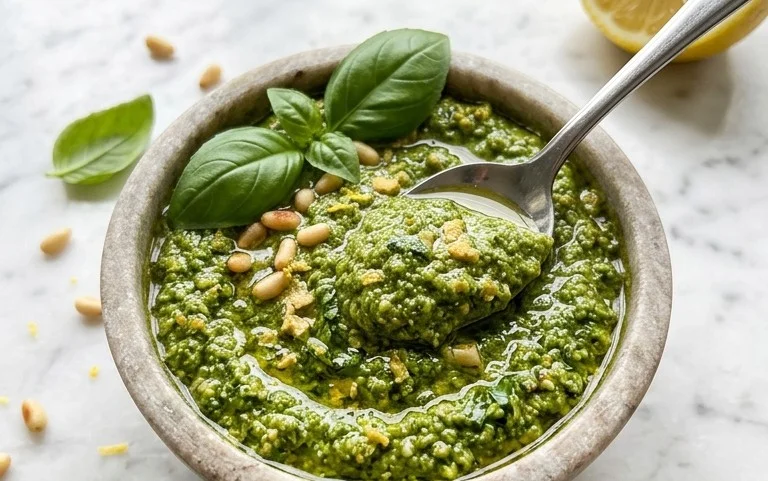
Dairy Free Pesto
Hello fellow food lovers! Today, I’m thrilled to share a recipe that’s a staple in my kitchen and a game-changer for anyone navigating a dairy-free lifestyle. We’re talking about pesto, that vibrant, herbaceous sauce that can elevate pasta, sandwiches, grilled vegetables, and so much more. Traditionally, pesto relies on Parmesan cheese for its savory, umami punch. But fear not, for we can achieve that same incredible flavor and creamy texture without a drop of dairy! This dairy-free pesto recipe is not only incredibly easy to make but also bursts with fresh, zesty, and nutty goodness. It’s perfect for a quick weeknight meal or for impressing guests at your next gathering. The beauty of homemade pesto is the control you have over the ingredients and the unparalleled freshness you achieve. Let’s get started on creating this delicious condiment!
Ingredients:
Crafting Your Dairy-Free Pesto
Creating this vibrant sauce is a breeze, and the best part is you don’t need any fancy equipment. A food processor or a sturdy blender will do the trick perfectly.
Step 1: Prepare Your Basil
Begin extract by ensuring your basil is fresh and clean. Gently wash the basil leaves and pat them thoroughly dry with a clean kitchen towel or use a salad spinner. Any excess moisture can dilute the flavor of your pesto and affect its texture. We want those pure, concentrated basil notes to shine through! Remove the basil leaves from their stems. While some younger stems are tender enough to include, it’s generally best to stick to just the leaves for the smoothest and most intensely flavored pesto. Pack the basil leaves loosely into your measuring cup to get an accurate measurement of 3 cups. This is a generous amount, which will yield a good batch of pesto.
Step 2: Toast the Nuts (Optional but Recommended)
Toasting your pine nuts (or your chosen alternative) is a crucial step that unlocks their full flavor potential and adds a delightful depth to your pesto. Place your 1/2 cup of pine nuts in a dry skillet over medium-low heat. Stir them frequently, watching them closely as they can go from perfectly toasted to burnt very quickly. You’re looking for a light golden-brown color and a fragrant aroma. This usually takes about 3-5 minutes. Once toasted, immediately transfer them to a plate to cool. This prevents them from continuing to cook in the hot pan. If you’re using walnuts or pumpkin seeds, the toasting process is similar, just be mindful of their individual toasting times.
Step 3: Combine and Process
In the bowl of your food processor, combine the toasted (and cooled) pine nuts, the 2 cloves of minced garlic, and the 2 tablespoons of nutritional yeast if you’re using it. Give these ingredients a quick pulse a few times to break them down into smaller pieces. This initial pulse helps to create a more uniform texture in the final pesto. Next, add the 3 cups of packed basil leaves. Now, it’s time to process again. Pulse the mixture until the basil is finely chopped and everything is starting to come together. Scrape down the sides of the food processor bowl as needed to ensure all the ingredients are incorporated.
Step 4: Emulsify with Olive Oil and Lemon
With the food processor running on a low speed, slowly drizzle in the 1/4 cup of olive oil. This is where the magic happens – the oil emulsifies with the other ingredients, creating that luscious, creamy texture we associate with pesto. Continue to stream in the olive oil until the pesto reaches your desired consistency. It should be smooth but still have a slight texture. Next, add the juice of 1/2 lemon. Start with about a tablespoon and then add more to taste. The lemon juice is vital for balancing the richness of the oil and nuts, adding a bright, zesty counterpoint that elevates all the other flavors. Process for another 30 seconds to fully incorporate the lemon juice.
Step 5: Season and Adjust
Finally, it’s time to season your dairy-free pesto. Add the 1/2 teaspoon of salt. Taste your pesto at this stage and adjust the seasonings as needed. Do you want it a little more lemony? Add a touch more lemon juice. Need more salt? Go for it! If you find it a bit too thick, you can always drizzle in another tablespoon of olive oil while the processor is running. If you want it even nuttier, you could add a few more toasted nuts at this point. The goal is to create a pesto that sings with flavor, perfectly balanced and to your liking. Once you’re happy with the taste and consistency, give it one final pulse to ensure everything is well combined.
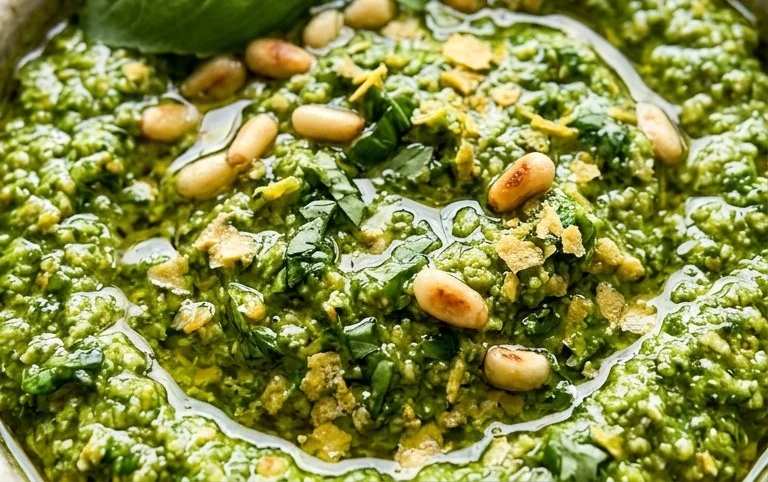
Your vibrant, dairy-free pesto is now ready to be enjoyed! You can store it in an airtight container in the refrigerator for up to a week. For longer storage, consider pouring a thin layer of olive oil over the surface to prevent browning and freezing it in ice cube trays for individual portions. This versatile sauce is perfect for tossing with your favorite pasta, spreading on crusty bread, drizzling over roasted vegetables, or as a flavorful dip. Enjoy the fresh, homemade goodness!
Conclusion:
So there you have it! A truly delightful dairy free pesto that’s as vibrant and flavorful as its traditional counterpart. This recipe is a game-changer for anyone avoiding dairy, offering a burst of herbaceous freshness that elevates countless dishes. We’ve crafted a pesto that’s wonderfully versatile, proving that you don’t need cheese to achieve that classic pesto taste. It’s quick to make, packed with healthy fats, and incredibly satisfying.
We love serving this dairy free pesto tossed with pasta, slathered on crusty bread, as a dip for fresh vegetables, or spread onto grilled chicken or fish. The possibilities are truly endless! Don’t be afraid to experiment with variations either. Feel free to swap out basil for spinach or arugula, add a pinch of red pepper flakes for a kick, or even incorporate different nuts like walnuts or almonds.
We wholeheartedly encourage you to give this dairy free pesto a try. It’s a simple yet impactful way to add a burst of deliciousness to your meals. Get ready to discover your new favorite condiment!
Frequently Asked Questions:
How long does dairy free pesto last?
You can store your homemade dairy free pesto in an airtight container in the refrigerator for up to 5-7 days. For longer storage, you can freeze it in ice cube trays for portion control, then transfer the frozen cubes to a freezer bag for up to 2-3 months.
Can I use a food processor instead of a blender?
Absolutely! A food processor is actually ideal for making pesto, as it gives you more control over the texture. You can pulse the ingredients until you reach your desired consistency, from chunky to smooth.
What kind of nuts are best for dairy free pesto?
Pine nuts are the classic choice for their delicate flavor, but walnuts and almonds are excellent, more budget-friendly alternatives that also work beautifully. Toasted nuts will offer an even richer flavor.
Dairy Free Pesto
A vibrant and flavorful dairy-free pesto made with fresh basil, pine nuts, garlic, lemon, and olive oil. Perfect for pasta, sandwiches, and dips.
Ingredients
-
3 cups basil
-
1/2 lemon (juiced)
-
1/2 cup pine nuts
-
2 cloves garlic
-
1/4 cup olive oil
-
1/2 tsp salt
-
2 tbsp nutritional yeast
Instructions
-
Step 1
In a food processor, combine basil, pine nuts, garlic, salt, and nutritional yeast (if using). -
Step 2
Pulse the ingredients until roughly chopped. -
Step 3
With the food processor running, slowly drizzle in the olive oil until the pesto reaches your desired consistency. -
Step 4
Add the fresh lemon juice and pulse a few more times to combine. -
Step 5
Taste and adjust seasoning with more salt or lemon juice if needed. -
Step 6
Transfer the pesto to a jar or airtight container. Store in the refrigerator.
Important Information
Nutrition Facts (Per Serving)
It is important to consider this information as approximate and not to use it as definitive health advice.
Allergy Information
Please check ingredients for potential allergens and consult a health professional if in doubt.