Freeze Peaches Easily – Best Method
Freezing peaches is the ultimate way to capture that sun-kissed sweetness long after summer has faded. There’s nothing quite like the burst of juicy, vibrant peach flavor in a smoothie, cobbler, or pie during the colder months, is there? We all adore peaches for their unparalleled ability to transport us back to warm, lazy days with just one bite. What truly makes freezing peaches so special is the ease with which we can preserve this seasonal delight, ensuring we have a taste of summer readily available whenever a craving strikes. It’s a simple process, really, and by learning how to easily freeze peaches, you’re investing in a future of delicious, homemade goodness that will be the envy of your friends and family.
Ingredients:
Freezing Peaches: How to Easily Freeze Peaches
There’s nothing quite like the taste of fresh, ripe peaches. They’re perfect for snacking, baking, or adding a sweet burst to smoothies. But what happens when you have a bumper crop or a fantastic deal at the farmer’s market, and you simply can’t eat them all before they spoil? The answer is simple: freeze them! Freezing peaches is an incredibly easy way to preserve their delicious flavor and vibrant color, allowing you to enjoy a taste of summer all year round. Whether you’re craving a peach pie in the middle of winter or want to add some peachy goodness to your morning yogurt, frozen peaches are a fantastic option.
This method is designed to be straightforward, even if you’ve never frozen fruit before. We’ll be using a simple sugar pack to help maintain the quality and taste of the peaches as they freeze. The sugar not only adds a touch of sweetness but also acts as a preservative, helping to prevent ice crystals from forming too aggressively and affecting the texture. We’ll also incorporate a handy product called Fruit Protector, which is specifically designed to prevent browning in fruits like peaches, ensuring your frozen peaches look as good as they taste when you thaw them out.
Preparing Your Peaches for Freezing
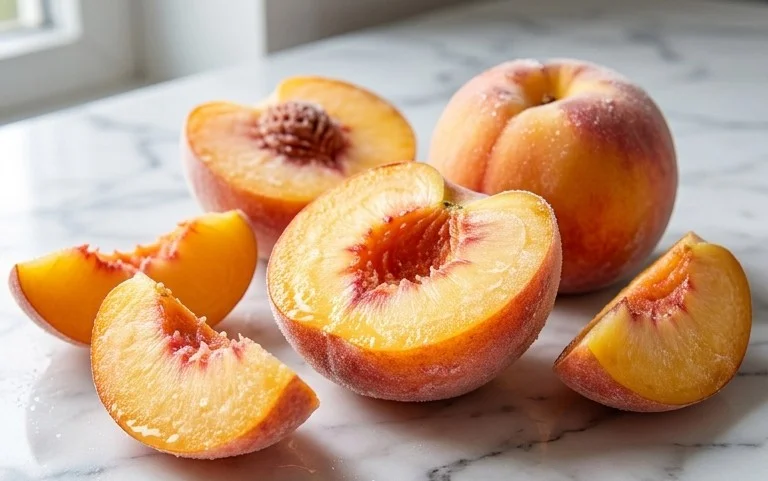
The first step in freezing peaches is, of course, selecting the best of the bunch. You want ripe, but not overly soft, peaches. They should yield slightly to gentle pressure. Overripe peaches will become mushy when thawed, so it’s best to use them for immediate consumption or canning. For freezing, a slightly firmer, perfectly ripe peach will hold up much better.
Washing and Peeling
Start by thoroughly washing your peaches under cool running water. Gently scrub them to remove any dirt or residue. The next step is peeling them. While you can freeze peaches with the skin on, I find peeling them makes them much more versatile for future use. To make peeling easier, you can blanch the peaches. Bring a pot of water to a rolling boil and prepare a large bowl of ice water. Score a small ‘X’ on the bottom of each peach. Carefully drop a few peaches into the boiling water for about 30-60 seconds, just until the skins start to loosen around the ‘X’. Immediately transfer them to the ice bath. Once cool enough to handle, the skins should slip off effortlessly. Discard the skins.
Pitting and Slicing
Once peeled, you’ll need to pit the peaches. Cut each peach in half along the natural seam. You can then twist the halves to separate them and easily lift out the pit with your fingers or a small spoon. After pitting, slice the peach halves into your desired serving size. Uniform slices or wedges work best for freezing, as they will thaw more evenly. Aim for slices about 1/2 inch thick.
The Sugar Pack Method
Now we move on to preparing the sugar pack, which is crucial for preserving the flavor and texture of your frozen peaches. This is where our sugar and Fruit Protector come in.
Mixing the Syrup
In a medium bowl, combine the 2/3 cup of sugar with the 3 teaspoons of Fruit Protector. Stir them together until the Fruit Protector is well distributed within the sugar. Fruit Protector is a fantastic addition here. It contains citric acid, which is a natural antioxidant, and it really does make a difference in keeping your peaches from turning brown and unappetizing during the freezing and thawing process. It’s a simple step that significantly enhances the quality of your frozen fruit.
Coating the Peaches
Add the sliced peaches to the bowl with the sugar and Fruit Protector mixture. Gently toss the peaches to ensure each slice is lightly coated. You want an even distribution of the sugar mixture over all the peach pieces. This coating will create a light syrup as the sugar dissolves and interacts with the peach juices, and it helps protect the fruit from freezer burn. Don’t overmix, as this can bruise the delicate fruit.
Packing and Freezing Your Peaches
The final stage is all about getting your peaches ready for their long-term stay in the freezer. Proper packing is key to preventing freezer burn and maintaining the best possible quality.
Portioning for Convenience
Decide how you’ll be using your frozen peaches in the future. If you often make pies, you might want to freeze them in larger batches. For smoothies or single servings, smaller portions are more practical. I like to divide my peaches into freezer-safe bags or containers. For bags, I gently press out as much air as possible before sealing them. If you’re using containers, leave about an inch of headspace at the top to allow for expansion as the peaches freeze.
The Freezing Process
Arrange your filled bags or containers in a single layer on a baking sheet or tray. This is a crucial step for flash freezing. Placing them in a single layer allows the peaches to freeze quickly and prevents them from clumping together. Once the peaches are solid (this usually takes about 2-3 hours), you can then transfer them to your freezer in a more compact arrangement, such as stacking the bags or containers. This flash-freezing step helps maintain the individual shape of the peach slices.
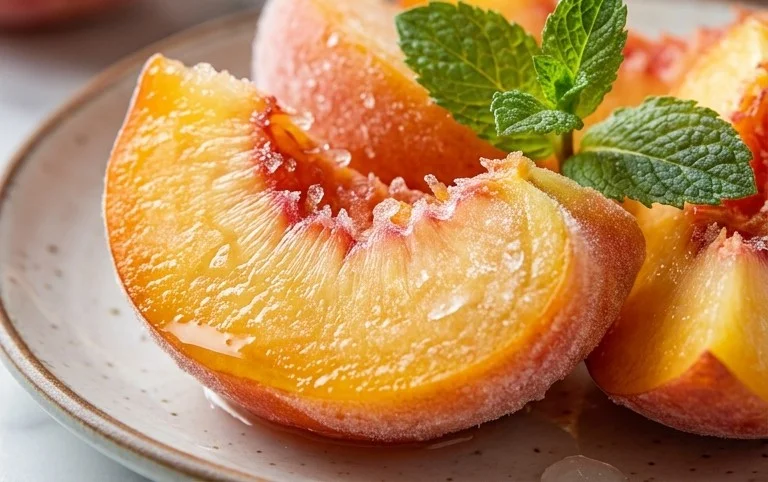
Your delicious, home-frozen peaches are now ready to be enjoyed whenever the craving strikes! They should remain of excellent quality for up to 9-12 months in the freezer. When you’re ready to use them, simply remove the desired amount from the freezer and let them thaw in the refrigerator or at room temperature. They’re perfect for baking, blending into smoothies, or even just enjoying as a sweet, icy treat.
Conclusion:
You’ve learned how to easily freeze peaches, a fantastic way to capture the peak flavor of this delicious summer fruit to enjoy year-round! Freezing peaches is incredibly simple, requiring minimal ingredients and effort, making it a truly rewarding kitchen project. The best part is that frozen peaches retain much of their vibrant taste and texture, perfect for a multitude of culinary creations. From creamy smoothies and decadent pies to delightful crum extractbles and refreshing sorbets, your frozen peaches will be a versatile asset in your kitchen. Don’t hesitate to experiment with different serving suggestions – perhaps a dollop of whipped cream over thawed peaches, or blending them into a breakfast yogurt bowl. For variations, consider adding a touch of sugar, honey, or even a sprinkle of cinnamon before freezing for an extra flavor dimension. So go ahead, gather those ripe peaches and give this easy freezing method a try. You’ll be so glad you did when you can savor the sweet taste of summer on a chilly winter’s day!
Frequently Asked Questions:
Q: How long can I store frozen peaches?
A: Properly frozen peaches can maintain excellent quality for about 8 to 12 months. After this period, they are still safe to eat, but their texture and flavor might start to degrade.
Q: Do I need to peel the peaches before freezing?
A: While you can freeze peaches with the skin on, peeling them first generally leads to a better texture when thawed, especially for recipes where the skin might be noticeable. It’s a personal preference, but for most uses, peeling is recommended for the best results when you easily freeze peaches.
Q: Can I freeze sliced peaches without any added sweetener?
A: Absolutely! While a little sugar or ascorbic acid can help prevent browning and maintain color, it’s not strictly necessary. Many people prefer to freeze peaches without any added sugar so they have complete control over the sweetness when using them in recipes. Just be sure to pack them tightly to minimize air exposure.
Freezing Peaches, How to Easily Freeze Peaches
A simple guide to preserving the deliciousness of fresh peaches by freezing them for later use.
Ingredients
-
1 quart peaches, ripe and peeled
-
2/3 cup sugar
-
3 teaspoons fruit protector
-
1 tablespoon lemon juice
-
1/4 teaspoon ascorbic acid powder
-
1 teaspoon water
Instructions
-
Step 1
Wash and peel the peaches. Remove the pits and slice them into desired sizes. -
Step 2
In a small bowl, combine the sugar, fruit protector, lemon juice, ascorbic acid powder, and water. Stir until the sugar and powders are dissolved. -
Step 3
Gently toss the peach slices with the sugar mixture, ensuring each slice is coated. -
Step 4
Arrange the coated peach slices in a single layer on a baking sheet lined with parchment paper. -
Step 5
Freeze the peach slices for 1-2 hours, or until firm. -
Step 6
Once frozen, transfer the peach slices into airtight freezer bags or containers. Remove as much air as possible before sealing. -
Step 7
Label the containers with the date and contents. Store in the freezer for up to 10-12 months.
Important Information
Nutrition Facts (Per Serving)
It is important to consider this information as approximate and not to use it as definitive health advice.
Allergy Information
Please check ingredients for potential allergens and consult a health professional if in doubt.