
Perfect Ramen Eggs Ajitama – Easy Marinated Eggs
Ramen eggs, or ajitama, are the unsung heroes of any steaming bowl of ramen. There’s something incredibly satisfying about that perfectly jammy, custardy yolk cradled within a tender, marinated egg white. They’re more than just an ingredient; they’re an experience, a little burst of umami-rich delight that elevates your noodle soup from good to absolutely unforgettable. Why do we all love them so much? It’s the non-intoxicating blend of savory soy sauce, sweet non-alcoholic mirin, and pungent garlic and gin extractger that infuses the egg, creating a flavor profile that’s both comforting and exciting. What truly makes these ramen eggs special is the delicate balance of textures and tastes. The slight chew of the marinated white against the molten gold of the yolk is pure culinary magic, and achieving that perfect consistency at home is surprisingly simple.
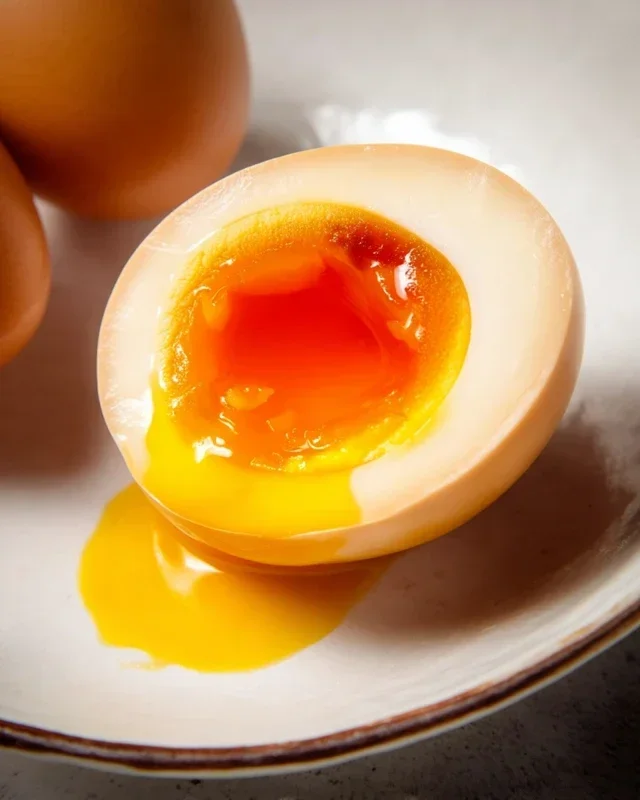
Ramen Eggs (Ajitama)
There’s something incredibly satisfying about a perfectly cooked ramen egg, also known as ajitama. That jammy, molten yolk, infused with a savory and slightly sweet marinade, is the crowning glory of any ramen bowl. But don’t reserve these delicious little orbs just for ramen! They’re fantastic as a topping for rice bowls, salads, or even just eaten straight from the jar. Making them at home is surprisingly simple, and once you master this basic recipe, you’ll be hooked. The key is in achieving that perfect soft-boiled egg and then letting it soak in a flavorful marinade.
Ingredients:
Making the Perfect Soft-Boiled Eggs
The first step in creating incredible ajitama is to get your eggs just right. We’re aiming for a soft-boiled egg with a custardy, jammy yolk. Overcooking will result in a hard-boiled egg, which won’t absorb the marinade as well and won’t have that luxurious texture.
1. Prepare Your Eggs: Take your eggs out of the refrigerator about 15-20 minutes before you plan to boil them. This helps prevent the shells from cracking due to a sudden temperature change. You can use eggs that are a few days old, as they tend to peel more easily than very fresh eggs. If you’re worried about cracking, you can add a splash of vinegar to the boiling water. The vinegar helps to coagulate the egg white quickly if it leaks out, preventing a messy situation.
2. Boiling the Eggs: Bring a medium saucepan of water to a rolling boil over medium-high heat. Carefully lower the eggs into the boiling water using a slotted spoon or spider strainer. Be gentle to avoid cracking them. Once the eggs are in, reduce the heat slightly to maintain a vigorous simmer. Cook the eggs for exactly 6 minutes and 30 seconds. This is the sweet spot for a perfectly jammy yolk. Any less and the white might be too runny, any more and the yolk will start to firm up.
3. Shocking the Eggs: Immediately after the 6 minutes and 30 seconds are up, transfer the eggs using your slotted spoon into an ice bath. This is crucial for stopping the cooking process instantly. Fill a bowl with ice cubes and cold water. Let the eggs chill in the ice bath for at least 10-15 minutes. This not only stops the cooking but also makes the eggs easier to peel.
4. Peeling the Eggs: Once the eggs are thoroughly chilled, it’s time to peel them. Gently tap the wider end of the egg on a hard surface, then roll it gently to crack the shell all over. Starting from the wider end, carefully peel away the shell under cool running water. The water helps to get under the membrane and loosen the shell, making peeling much smoother. If you find a stubborn spot, don’t force it; just be patient and let the water work its magic.
Preparing the Marinade and Infusing the Eggs
With your perfectly soft-boiled and peeled eggs ready, it’s time to prepare the delicious marinade that will transform them into ajitama. This marinade is a balance of savory soy sauce, sweet non-alcoholic mirin, and a touch of sugar.
5. Creating the Ajitama Marinade: In a small saucepan, combine the light sodium soy sauce, water, non-non-non-alcoholic alternativeic non-alcoholic mirin, and granulated sugar. Stir over medium heat until the sugar has completely dissolved. Do not boil this mixture; you just want to warm it enough to dissolve the sugar. Once dissolved, remove the saucepan from the heat and let the marinade cool down completely. It’s important that the marinade is cool or at room temperature before you add the eggs to prevent them from overcooking further.
6. Marinating the Eggs: Once the marinade has cooled, place your peeled soft-boiled eggs into a resealable bag or a small airtight container. Pour the cooled marinade over the eggs, ensuring they are fully submerged. Seal the bag or container tightly. You can gently squeeze out any excess air from the bag to ensure the eggs are well-covered. Place the container or bag in the refrigerator.
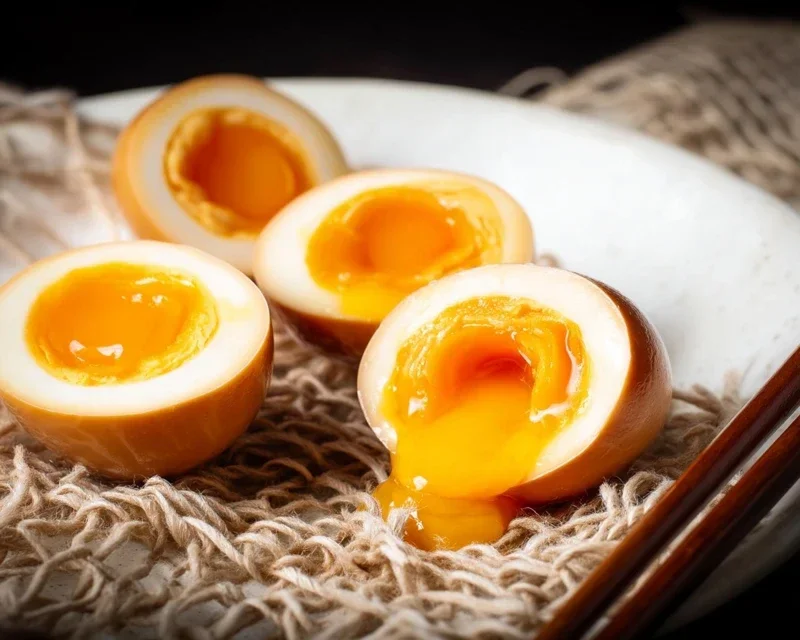
7. The Waiting Game: The ajitama need time to soak up all those wonderful flavors. Ideally, let them marinate for at least 4 hours, but for the best results, marinate them for 12 to 24 hours. You can even marinate them for up to 3 days, though the texture of the yolk may start to change slightly after the second day. Flip the eggs occasionally if they are in a container to ensure even marination. When they are ready, the egg whites will have a lovely brown hue, and the yolks will be deeply flavorful and have that characteristic jammy consistency.
Enjoy your homemade ramen eggs! They are a truly special addition to any dish, and the process of making them is so rewarding.
Conclusion:
And there you have it! You’ve mastered the art of making perfect Ramen Eggs, or Ajitama, a truly essential component for any authentic ramen experience. This recipe is fantastic because it’s surprisingly simple to execute, yet yields incredibly flavorful and visually appealing results. The magic lies in the tender, jammy yolk and the savory, umami-rich marinade that infuses the egg with incredible depth. These aren’t just any boiled eggs; they are a flavor bomb waiting to elevate your meals.
I love serving my Ramen Eggs sliced in half, showcasing that glorious yolk, atop steaming bowls of ramen, of course. But don’t stop there! They are also wonderful chopped into salads, served with rice bowls, or even enjoyed as a standalone snack. Feeling adventurous? Try marinating them in different sauces for unique flavor profiles – perhaps a touch of sriracha for a spicy kick, or a miso-based marinade for an extra layer of fermented goodness. I truly encourage you to give this recipe a try; it’s a game-changer for home cooks looking to add that authentic touch to their favorite noodle dishes.
Frequently Asked Questions:
How long do Ramen Eggs last in the refrigerator?
Once marinated and stored in an airtight container in the refrigerator, your Ramen Eggs should stay delicious for up to 4-5 days. Make sure they are fully submerged in the marinade for optimal preservation.
Can I use a different type of soy sauce for the marinade?
Absolutely! While traditional Japanese soy sauce is recommended for its balanced flavor, you can experiment with low-sodium soy sauce or even tamari if you need a gluten-free option. Just be mindful that the saltiness might vary, so you might need to adjust other seasoning elements.
What’s the best way to peel the eggs to avoid breakage?
The key to easy peeling is to start with older eggs (about a week old) as their membranes are less likely to stick to the whites. After boiling, immediately plunge them into an ice bath for at least 10-15 minutes. This rapid cooling helps the egg contract from the shell. Gently crack the shell all over and peel under cool running water.
Ramen Eggs (Ajitama)
Perfectly marinated soft-boiled eggs with a custardy yolk and savory flavor, ideal for ramen or as a snack.
Ingredients
-
6 large eggs
-
1/2 cup light sodium soy sauce
-
1/4 cup water
-
1/4 cup non-alcoholic mirin
-
2 tablespoons granulated sugar
-
1 tablespoon vinegar (optional for boiling)
Instructions
-
Step 1
Bring a pot of water to a boil. Add the vinegar if using. Gently lower the eggs into the boiling water. -
Step 2
Boil the eggs for 6-7 minutes for a jammy yolk, or 8-9 minutes for a firmer yolk. Immediately transfer the eggs to an ice bath to stop the cooking. -
Step 3
While the eggs are cooling, prepare the marinade. In a small saucepan, combine soy sauce, water, non-alcoholic mirin, and granulated sugar. Heat gently until the sugar is dissolved, stirring occasionally. -
Step 4
Once the eggs are cool enough to handle, carefully peel them. -
Step 5
Place the peeled eggs in a resealable bag or a shallow container. Pour the cooled marinade over the eggs, ensuring they are fully submerged. -
Step 6
Marinate the eggs in the refrigerator for at least 4 hours, or preferably overnight, flipping them halfway through for even coloring and flavor.
Important Information
Nutrition Facts (Per Serving)
It is important to consider this information as approximate and not to use it as definitive health advice.
Allergy Information
Please check ingredients for potential allergens and consult a health professional if in doubt.