Easy Miso Soup Recipe – Quick & Flavorful Dish
Miso soup recipe is a cornerstone of Japanese cuisine, offering a comforting and deeply satisfying experience that warms you from the inside out. There’s a reason why this humble bowl is so universally loved: its delicate balance of savory, umami-rich broth, paired with tender tofu and often a whisper of seaweed, creates a flavor profile that is both complex and incredibly approachable. What truly makes our miso soup recipe special is its incredible versatility and the sense of nourishment it provides. It’s more than just a starter; it’s a gateway to authentic Japanese flavors, a quick and healthy option for any meal, and a perfect antidote to a chilly evening or a busy day. Get ready to unlock the secrets to creating your own perfect bowl of this beloved staple.
Miso Soup Recipe
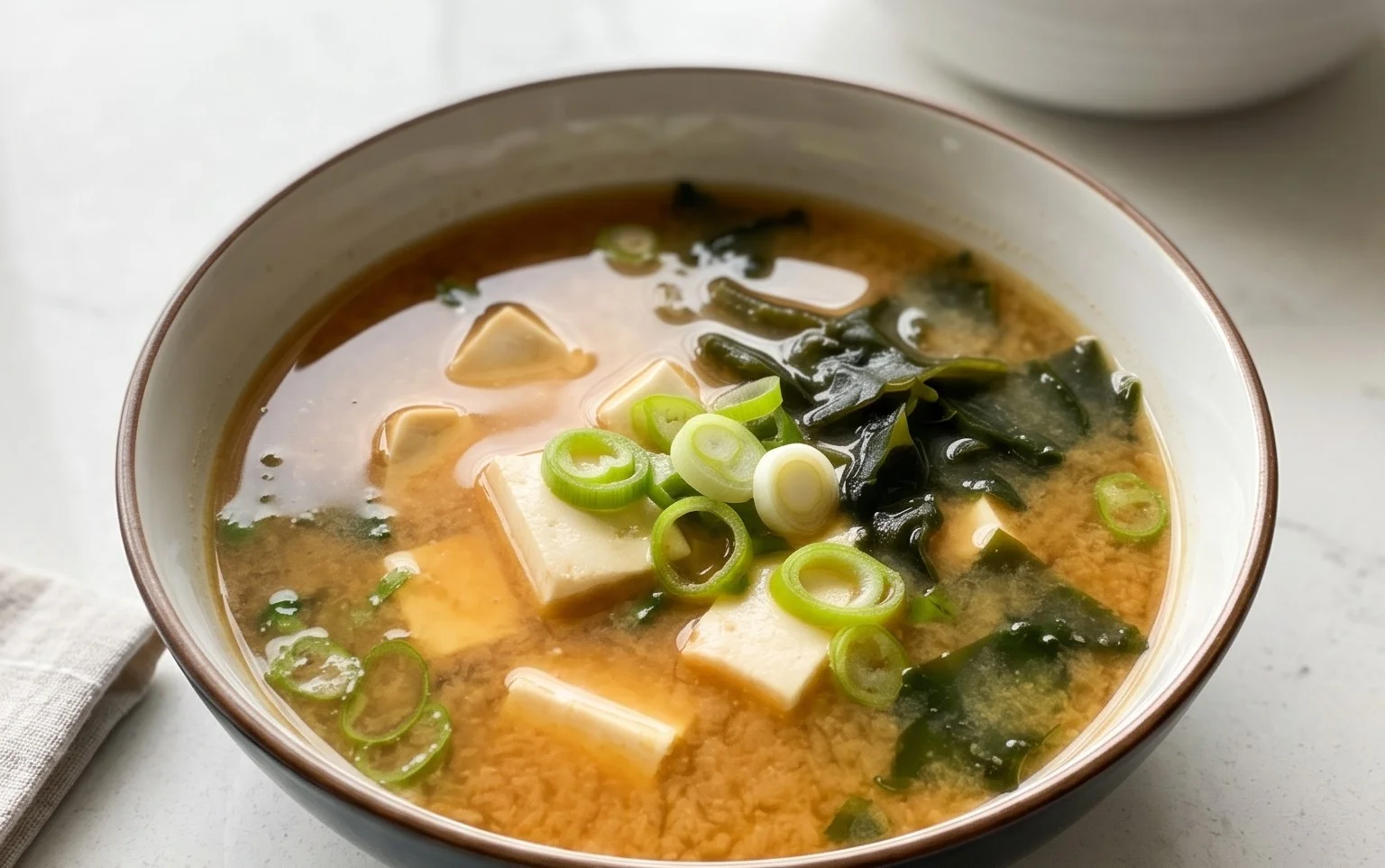
There’s something incredibly comforting and soul-warming about a steaming bowl of miso soup. It’s a staple in Japanese cuisine, and for good reason. Its delicate, savory flavor, rich umami notes, and satisfying warmth make it the perfect starter to any meal or a light, nourishing snack on its own. What’s even better is how incredibly easy it is to make at home. Forget those instant packets; with just a few simple ingredients, you can whip up a truly authentic and delicious miso soup in a matter of minutes. This recipe is my go-to for a quick, healthy, and deeply satisfying bowl.
Ingredients:
Getting Started: Assembling Your Ingredients
Before we dive into the cooking process, let’s make sure we have everything ready. Having your ingredients prepped and measured will make the cooking process smooth and enjoyable.
First, the dashi. This is the foundational broth for our miso soup, providing a subtle yet crucial layer of flavor. You can buy pre-made dashi powder or granules to dissolve in hot water, or if you’re feeling ambitious, you can make your own from scratch using kombu (dried kelp) and katsuobushi (dried bonito flakes). For this recipe, we’re using 2½ cups.
Next, the dried seaweed. I like to use wakame for its tender texture when rehydrated. A heaping tablespoon is usually enough to add a nice touch of oceanic flavor and a pleasing chew. We’ll need to rehydrate this briefly.
Then, we have the silken tofu. Its delicate, creamy texture melts in your mouth and complements the broth beautifully. Make sure to cut it into small, bite-sized pieces so they’re easy to eat with a spoon. About 4 ounces should do the trick.
The star of the show, of course, is the miso paste. The amount you use will depend on your personal preference for saltiness and miso flavor intensity. I recommend starting with 2 tablespoons and adding more if you desire a richer taste. There are many varieties of miso paste – white miso (shiro miso) is milder and slightly sweeter, while red miso (aka miso) is more robust and savory. You can even blend them for a complex flavor profile.
Finally, fresh scallions. These add a bright, fresh, and slightly pungent finish. A tablespoon of finely chopped scallions is perfect for garnish, adding both visual appeal and a burst of flavor.
Crafting Your Comforting Miso Soup
Now, let’s get cooking! This recipe is designed to be quick and straightforward.
Step 1: Rehydrate the Seaweed
Start by rehydrating your dried seaweed. In a small bowl, place the heaping tablespoon of dried seaweed and cover it with a bit of cool water. Let it soak for about 5-10 minutes, or until it has softened and expanded. Once rehydrated, drain any excess water. This step ensures the seaweed is tender and pleasant to eat in the soup. If you’re using wakame, it will expand significantly, so don’t be surprised by how much it grows!
Step 2: Heat the Dashi Broth
Pour your 2½ cups of dashi into a medium saucepan. Place the saucepan over medium heat and bring the dashi to a gentle simmer. It’s important not to boil the dashi vigorously, as this can diminish its delicate flavor. We just want it hot enough to cook the other ingredients and dissolve the miso. Watch for small bubbles forming around the edges of the pot; that’s your cue that it’s ready.
Step 3: Add the Tofu and Seaweed
Once the dashi is simmering gently, carefully add the small pieces of silken tofu and the rehydrated seaweed to the pot. Stir gently to distribute them evenly throughout the broth. Allow the tofu and seaweed to heat through for about 2-3 minutes. The tofu is already tender, so it doesn’t need much cooking time. The seaweed will also soften further in the hot broth.
Step 4: Dissolve the Miso Paste
This is a crucial step to avoid clumps and ensure a smooth, even flavor. In a small bowl, ladle about ½ cup of the hot dashi broth from the saucepan. Add your 2-2½ tablespoons of miso paste to this bowl. Using a whisk or a fork, gently stir the miso paste into the hot broth until it’s completely dissolved and no lumps remain. This technique is often called “tempering” the miso. It’s vital to dissolve the miso in a separate, smaller amount of liquid before adding it to the main pot. If you add miso paste directly to the boiling soup, it can clump and its delicate enzymes and flavor can be destroyed by excessive heat.
Step 5: Combine and Serve
Once the miso paste is fully dissolved in the small bowl, carefully pour the miso mixture back into the saucepan with the dashi, tofu, and seaweed. Stir gently to incorporate everything. At this point, taste the soup and adjust the seasoning if needed. You can add a little more miso paste for a stronger flavor or a tiny splash of water if it’s too salty for your liking. It’s important not to let the soup boil after adding the miso, as this can alter its flavor and beneficial properties. Just heat it through gently until it’s warm and ready to serve.
Finally, ladle the miso soup into individual bowls. Garnish each bowl with the chopped scallions. Serve immediately and enjoy the simple, profound pleasure of this homemade classic. It’s a taste of Japan, right in your own kitchen, and a truly rewarding experience.
Conclusion:
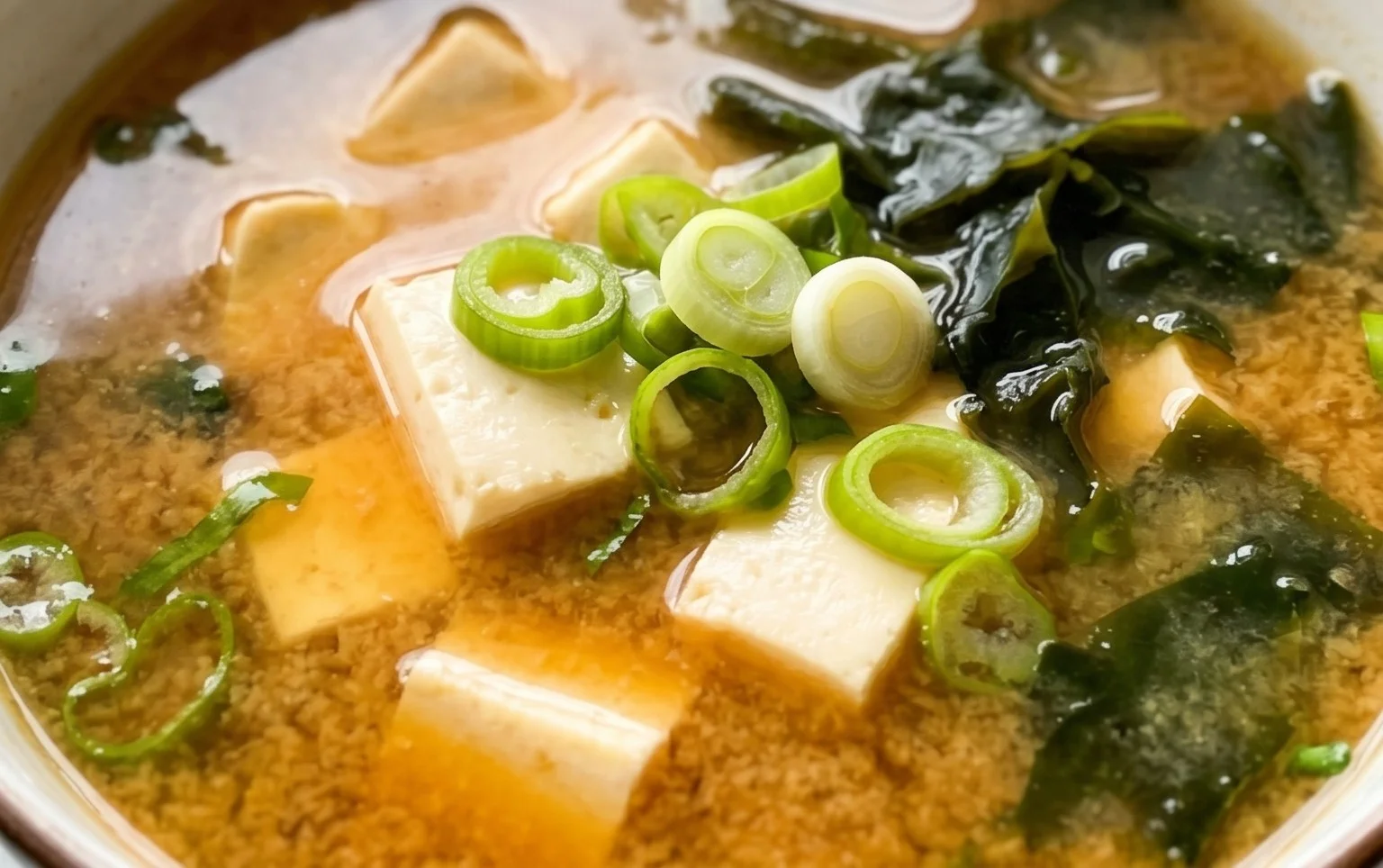
And there you have it! This miso soup recipe is truly a gem – quick, incredibly versatile, and packed with comforting umami flavor. It’s the perfect starter for a Japanese meal, a light and nourishing lunch, or even a late-night snack. We’ve shown you how simple it is to create this delicious staple in your own kitchen. Don’t be afraid to experiment! Adding your favorite proteins like silken tofu or shrimp, or a medley of seasonal vegetables like spinach, bok choy, or shiitake mushrooms can elevate this humble soup to new heights. The beauty of this miso soup recipe lies in its adaptability. So, dive in, gather your ingredients, and experience the pure joy of making and savoring authentic miso soup. We’re confident you’ll love it!
Frequently Asked Questions:
What kind of miso paste should I use for this recipe?
You have options! Red miso paste offers a robust, salty, and deeply fermented flavor. White miso paste (shiro miso) is milder, sweeter, and has a lighter color, making it a great choice for begin extractners or those who prefer a less intense taste. Yellow miso paste falls somewhere in between. Feel free to use your favorite, or even a blend of two for a more complex flavor profile in your miso soup.
Can I make this miso soup recipe ahead of time?
While the dashi can be made ahead and stored in the refrigerator for a few days, it’s best to add the miso paste and delicate ingredients like tofu and scallions just before serving. Miso paste can lose some of its beneficial properties and flavor when boiled for extended periods. For the freshest and most flavorful experience, assemble and finish your miso soup right before you plan to eat it.
Miso Soup Recipe
A simple and authentic Japanese miso soup recipe.
Ingredients
-
2½ cups Dashi
-
1 heaping tablespoon dried seaweed
-
4 oz silken tofu (cut into small pieces)
-
2-2½ tablespoons miso paste (or to taste)
-
1 tablespoon scallion (chopped)
Instructions
-
Step 1
Bring the Dashi to a gentle simmer in a pot. -
Step 2
Add the dried seaweed and let it rehydrate for a minute or two. -
Step 3
Add the silken tofu pieces to the pot. -
Step 4
In a separate small bowl, whisk the miso paste with a ladleful of the hot Dashi until smooth. This prevents clumps. -
Step 5
Stir the miso mixture into the pot. Do not boil after adding miso, as this can diminish its flavor and beneficial properties. -
Step 6
Ladle the soup into bowls and garnish with chopped scallions.
Important Information
Nutrition Facts (Per Serving)
It is important to consider this information as approximate and not to use it as definitive health advice.
Allergy Information
Please check ingredients for potential allergens and consult a health professional if in doubt.