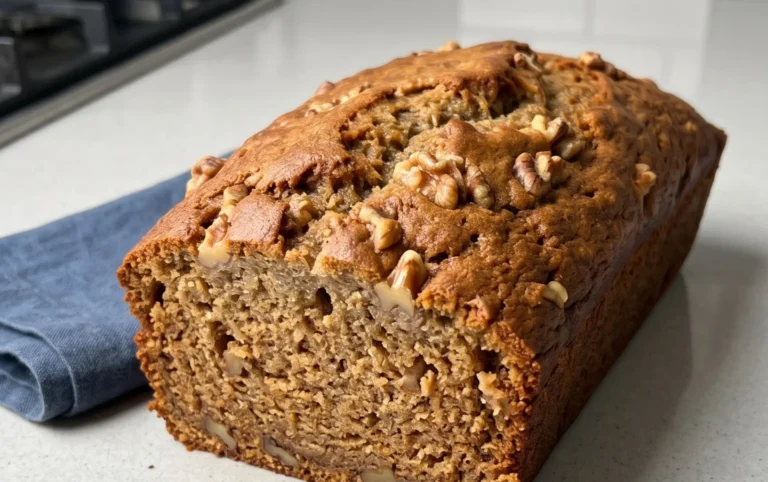
Easy Sourdough Cheese Bread Recipe – Cheesy & Delicious
Sourdough Cheese Bread isn’t just a loaf; it’s an experience. Imagin extracte the irresistible aroma filling your kitchen as it bakes, a promise of the deliciousness to come. This isn’t your average supermarket bread; it’s a celebration of slow fermentation, nutty sourdough tang, and the luxurious melt of your favorite cheeses. What is it about this particular combination that captivates us? It’s the perfect harmony of textures – a beautifully crisp crust yielding to a soft, airy interior, studded with pockets of molten cheese. People adore Sourdough Cheese Bread because it offers a comforting warmth and a satisfying depth of flavor that elevates any meal, from a simple breakfast to a hearty dinner. It’s versatile, delightful on its own, and even better when toasted and slathered with butter. Get ready to create a masterpiece that will have everyone asking for the recipe, proving that homemade Sourdough Cheese Bread is truly something special.

Ingredients:
- 1 cup milk (244 g) – You can substitute this with water if needed, but milk will give a richer flavor and a softer crum extractb.
- 1/2 cup active sourdough starter (113 g) – Make sure your starter is bubbly and active, meaning it has been fed recently and has at least doubled in size.
- 1 large egg – This adds richness and helps with browning.
- 1 tablespoon sugar (12 g) – A little sugar helps to feed the sourdough starter and also contributes to a lovely golden crust.
- 1 teaspoon salt (5 g) – Crucial for flavor and also helps to control the fermentation of the sourdough.
- 1 teaspoon garlic powder (3 g) – For that savory, cheesy undertone.
- 3 cups flour (420 g) – All-purpose flour works well here. For a slightly chewier texture, you could use bread flour.
- 4 tablespoons butter (56 g) – Unsalted butter is best so you can control the saltiness of the bread. Melted butter incorporates more easily.
- 2 cups shredded cheddar cheese – Sharp or medium cheddar are excellent choices. You can also mix in other cheeses like Monterey Jack or Gruyere for added complexity.
- Optional: 1 egg yolk for egg wash and a pinch of flaky salt – The egg wash provides a beautiful sheen and deepens the color of the crust. Flaky salt adds a delightful textural contrast.
Preparing the Dough
Mixing the Wet Ingredients
In a large mixing bowl, combine the milk and the active sourdough starter. Whisk them together until well incorporated. Add the large egg and the tablespoon of sugar to the bowl. Stir everything gently until it’s all combined. It’s okay if the mixture looks a little frothy from the starter; that’s a good sign!
Adding the Dry Ingredients and Butter
Next, add the teaspoon of salt and the teaspoon of garlic powder to the wet mixture. Give it another quick stir. Now, gradually add the 3 cups of flour, about a cup at a time, mixing after each addition until a shaggy dough begin extracts to form. Once the flour is mostly incorporated, add the 4 tablespoons of melted butter to the dough. Continue mixing until the butter is distributed throughout the dough. At this stage, the dough will be sticky and a bit messy, which is perfectly normal for a sourdough enriched dough.
Developing the Dough and Incorporating Cheese
Kneading the Dough
Turn the dough out onto a lightly floured surgin extracte. Begin kneading. If you’re new to kneading, aim for about 8-10 minutes. You’re looking for a smooth, elastic dough that springs back when gently poked. It will still be a little sticky, but it shouldn’t cling excessively to your hands or the surface. Alternatively, you can use a stand mixer with a dough hook attachment and knead on medium speed for about 6-8 minutes until the dough is smooth and elastic.
First Rise (Bulk Fermentation)
Lightly grease your mixing bowl with a little oil or butter. Place the kneaded dough into the bowl, turning it to coat all sides. Cover the bowl tightly with plastic wrap or a damp kitchen towel. Let the dough rise in a warm place. This can take anywhere from 4 to 8 hours, depending on the temperature of your kitchen and the activity of your sourdough starter. The dough should roughly double in size. This is where the sourdough starter works its magic, developing those complex flavors.
Adding the Cheese and Shaping
Once the dough has completed its first rise, gently punch it down to release some of the air. Turn the dough out onto a lightly floured surface again. Sprinkle about half of the shredded cheddar cheese over the dough. Fold the dough over the cheese and knead gently for a minute or two to distribute the cheese. Then, sprinkle the remaining cheese and repeat the folding and kneading process. You want the cheese to be relatively evenly distributed throughout the dough without overworking it. Shape the dough into your desired form – a round loaf, a rectangular loaf for a loaf pan, or even smaller rolls.
Baking the Sourdough Cheese Bread
Second Rise (Proofing)
Place your shaped dough onto a baking sheet lined with parchment paper or into a greased loaf pan. Cover it loosely with plastic wrap or a damp kitchen towel. Let it proof in a warm place for another 2-3 hours, or until it has visibly increased in size and looks puffy. For a loaf pan, you want the dough to come about an inch above the rim.
Preheating the Oven and Egg Wash
About 30 minutes before you’re ready to bake, preheat your oven to 375°F (190°C). If you’re using the optional egg wash, whisk together the egg yolk with a tablespoon of water or milk in a small bowl. Gently brush this mixture all over the top of your proofed dough. This will give your Sourdough Cheese Bread a beautiful golden-brown crust and a lovely sheen. If you have flaky salt, sprinkle a little over the egg wash for an extra touch of flavor and texture.
Baking the Bread
Carefully place the baking sheet or loaf pan into the preheated oven. Bake for 30-40 minutes for a large loaf, or 20-25 minutes for smaller rolls, until the crust is a deep golden brown and the internal temperature of the bread reaches 200-210°F (93-99°C) when measured with an instant-read thermometer. If the crust is browning too quickly, you can loosely tent the loaf with aluminum foil.
Cooling and Enjoying
Once baked, remove the Sourdough Cheese Bread from the oven. Transfer it to a wire rack to cool completely. It’s tempting to cut into it right away, but allowing it to cool ensurrum extractthe crumb sets properly and the flavors meld. Slicing into it while too hot can result in a gummy texture. Enjoy your delicious homemade Sourdough Cheese Bread! It’s fantastic on its own, toasted, or served alongside soup or salad.

Conclusion:
And there you have it – your very own delicious Sourdough Cheese Bread! This recipe has shown you how to create a wonderfully tangy and cheesy loaf, perfect for any occasion. The beauty of this Sourdough Cheese Bread lies in its versatility. Serve it warm with a slather of butter, alongside your favorite soup or stew, or toasted for an irresistible breakfast. It also makes an excellent base for sandwiches, especially when filled with more cheese and savory meats.
Don’t be afraid to experiment! You can easily customize your Sourdough Cheese Bread by adding different types of cheese, herbs like rosemary or chives, or even a pinch of red pepper flakes for a little heat. The possibilities are truly endless. We encourage you to get creative and make this recipe your own. Enjoy the rewarding process of baking and the incredible flavor of homemade Sourdough Cheese Bread!
Frequently Asked Questions:
Q: My sourdough starter isn’t very active. Will this recipe still work for my Sourdough Cheese Bread?
A: While an active sourdough starter is ideal for a good rise and tangy flavor, you can still achieve a tasty loaf even with a less vigorous starter. The cheese and other ingredients will add flavor and structure. You might find the rise to be a little less dramatic, but the resulting Sourdough Cheese Bread will still be delicious.
Q: Can I use pre-shredded cheese for my Sourdough Cheese Bread?
A: Yes, you can! Pre-shredded cheese is a convenient option. However, for the best melt and flavor, we recommend shredding your own cheese from a block if possible. Sometimes, pre-shredded cheeses contain anti-caking agents that can slightly affect the melting quality.
Easy Sourdough Cheese Bread
A deliciously cheesy and easy-to-make sourdough bread with a rich flavor and soft crumb.
Ingredients
-
1 cup milk (244 g)
-
1/2 cup active sourdough starter (113 g)
-
1 large egg
-
1 tablespoon sugar (12 g)
-
1 teaspoon salt (5 g)
-
1 teaspoon garlic powder (3 g)
-
3 cups flour (420 g)
-
4 tablespoons butter (56 g)
-
2 cups shredded cheddar cheese
-
Optional: 1 egg yolk for egg wash
-
Optional: a pinch of flaky salt
Instructions
-
Step 1
In a large mixing bowl, combine milk and active sourdough starter. Whisk well, then add egg and sugar. Stir gently until combined. -
Step 2
Add salt and garlic powder to the wet ingredients. Gradually add flour, mixing after each addition until a shaggy dough forms. Incorporate melted butter until distributed. -
Step 3
Turn dough onto a lightly floured surface and knead for 8-10 minutes until smooth and elastic, or use a stand mixer for 6-8 minutes. Place dough in a greased bowl, cover, and let rise in a warm place for 4-8 hours until doubled. -
Step 4
Punch down the dough, turn it onto a floured surface, and sprinkle half the cheese over it. Fold and knead gently. Repeat with remaining cheese. Shape the dough as desired. -
Step 5
Place shaped dough on a baking sheet or in a loaf pan, cover loosely, and let proof in a warm place for 2-3 hours until puffy. Preheat oven to 375°F (190°C). -
Step 6
Brush the top of the dough with an egg wash (egg yolk mixed with water or milk) and sprinkle with flaky salt if desired. Bake for 30-40 minutes for a large loaf, or 20-25 minutes for rolls, until deep golden brown and internal temperature reaches 200-210°F (93-99°C). -
Step 7
Remove from oven and transfer to a wire rack to cool completely before slicing to ensure a proper crumb.
Important Information
Nutrition Facts (Per Serving)
It is important to consider this information as approximate and not to use it as definitive health advice.
Allergy Information
Please check ingredients for potential allergens and consult a health professional if in doubt.